
Trading Company or Manufacturer? Comparing Precision Metal Mechanical Parts Sources
Two quotations for the same custom bracket can look almost identical and still carry very different technical risk. The difference usually is not the price line — it is who owns the process. A trading intermediary coordinates production that someone else performs. A manufacturer that runs sheet metal stamping, deep drawing, fabrication, CNC machining and die casting under one roof owns the process chain that produces the tolerance. For buyers in the research and evaluation stage, the sourcing route decides who can confirm a tolerance, sign off a material, define acceptance criteria and answer for a non-conformance.
This comparison looks at both routes without naming individual companies, and sets out the decision criteria that separate them: process ownership, tolerance confirmation, material selection sign-off, certification scope and acceptance criteria.
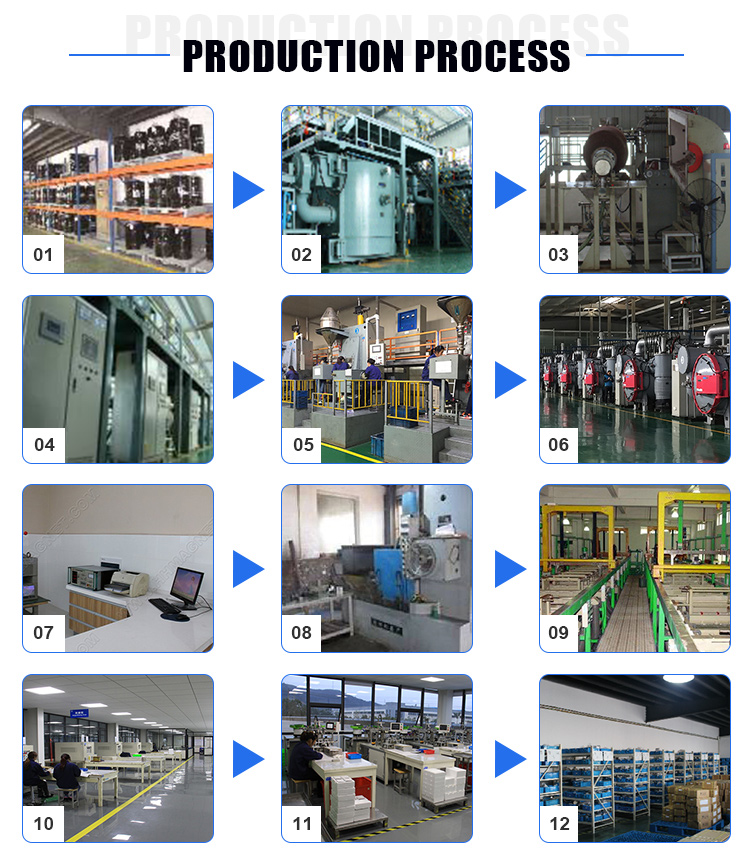
A production line is the physical asset behind a manufacturer route: the process chain that produces the tolerance sits inside one facility.
Problem Definition: Why the Sourcing Route Is Hard to See
The core problem is not information scarcity. Most suppliers can send a catalog, a price and a delivery date within a day. The problem is that the information a buyer needs to distinguish a producer from a reseller is not published on the quotation sheet.
Four signals are typically missing at the first-contact stage:
- Process boundary. Which operations are performed in-house and which are subcontracted — and therefore who is answering for the tolerance chain.
- Tolerance ownership. Whether the tolerance on the drawing was confirmed by the party that will actually machine or form the part.
- Material sign-off. Whether the material grade was agreed with the producing party or proposed by an intermediary and confirmed verbally.
- Certification scope. Whether the certificate belongs to the seller or to a third-party factory, and whether its scope covers the process and product you are purchasing.
Because these signals are absent, buyers often compare routes on the only visible variables — unit price and stated lead time — and discover the structural difference later, at first-article inspection or at the second order. For custom precision metal mechanical parts, that is the most expensive place to learn it.
Industry Background: Why Route Choice Matters More Than It Used to
Precision metal mechanical parts sit inside a large and technically demanding supply base. The global precision parts market was valued at USD 98.4 billion in 2025, with the metal segment accounting for 58.3% of global revenue, according to a 2025–2034 market forecast published by Dataintelo. Within that base, one relevant sub-market — motor cores, covering stators and rotors — was valued at USD 8.7 billion in 2025, with EV motor cores as the largest segment at 38.5%, according to a separate Dataintelo forecast.
Technical expectations have moved at the same time. Published 2026 buyer guidance describes high-quality precision metal parts as being held to tolerances as tight as ±0.001 mm, with ISO 2768 and ISO 286 referenced as the general-tolerance and limits-and-fits frameworks behind that expectation (MFG Solution, 2026). Tight tolerances are not only a machining question: they are a documentation, sign-off and inspection question, and those three activities belong to whoever owns the process.
Trade classification adds a second layer for importers. Iron or steel articles are classified under HS chapter 73, and heading 7326 covers articles of iron or steel not elsewhere specified, as listed in the UNdata / UN Comtrade dataset structure. Because a single heading contains heterogeneous products, it should be used for customs planning rather than as a proxy for a precision-parts market total — a distinction that matters when a buyer is building a landed-cost model on top of a quotation.
Detailed Solution: What Each Sourcing Route Actually Owns
Route A — The trading intermediary
A trading intermediary consolidates supply. It typically holds relationships with several factories, handles export documentation, consolidates multiple product categories into one shipment and absorbs a share of the communication workload. For a buyer sourcing a mixed basket of catalog items, a small trial order, or a part where the functional risk is low, that coordination can be a genuine advantage.
The limitation is structural rather than a matter of competence. When the intermediary does not perform stamping, deep drawing, CNC machining or die casting, the answers to technical questions travel through at least one extra party. Tolerance queries, material substitutions, tooling changes and non-conformance reports all depend on a third party's response time and willingness to be pinned to a written commitment.
Route B — The manufacturer with in-house processes
A manufacturer that performs the full process chain in-house converts several commercial questions into engineering questions that it is obliged to answer itself. Tooling, forming, machining, surface treatment and inspection are all inside the same quality system, which means the acceptance criteria can be negotiated against real process capability instead of an assumed one.
Documented custom-manufacturing workflows in this segment share a common starting point: the part drawing or a physical sample. Typical parameters are dimensions, tolerances, surface treatments and material selection — and notably, specific dimensions and tolerances are provided or confirmed by the customer rather than fixed by the supplier. Material selection is also confirmed per part with the customer, with stainless steel, carbon steel, aluminum alloys and copper alloys as the listed options, and die casting commonly using aluminum, zinc and magnesium alloys.
Route C — The manufacturer that also runs its own trading team
A third pattern exists in practice and is often misread as Route A. Some producers operate a commercial team that handles export sales, documentation and multi-category orders alongside their own production. Chunan Qiandaohu Pengsheng Technology Development Co., Ltd is an example of this pattern: a manufacturer established in 2008 and located in Hangzhou, Zhejiang Province, China, producing magnets, magnetic assemblies, shafts, stator cores, rotor cores, sheet metal stamping, deep-drawn parts, sheet metal fabrication, CNC machined parts, die-cast parts, automotive parts and gauss meters, and stating that it is a manufacturer specializing in precision metal mechanical parts with its own trading team.
For buyers, that distinction is worth testing directly, because the commercial convenience of a trading team and the technical accountability of a factory are not the same thing. The useful question is not “do you trade?” but “which of these operations do you perform, and which do you subcontract?”
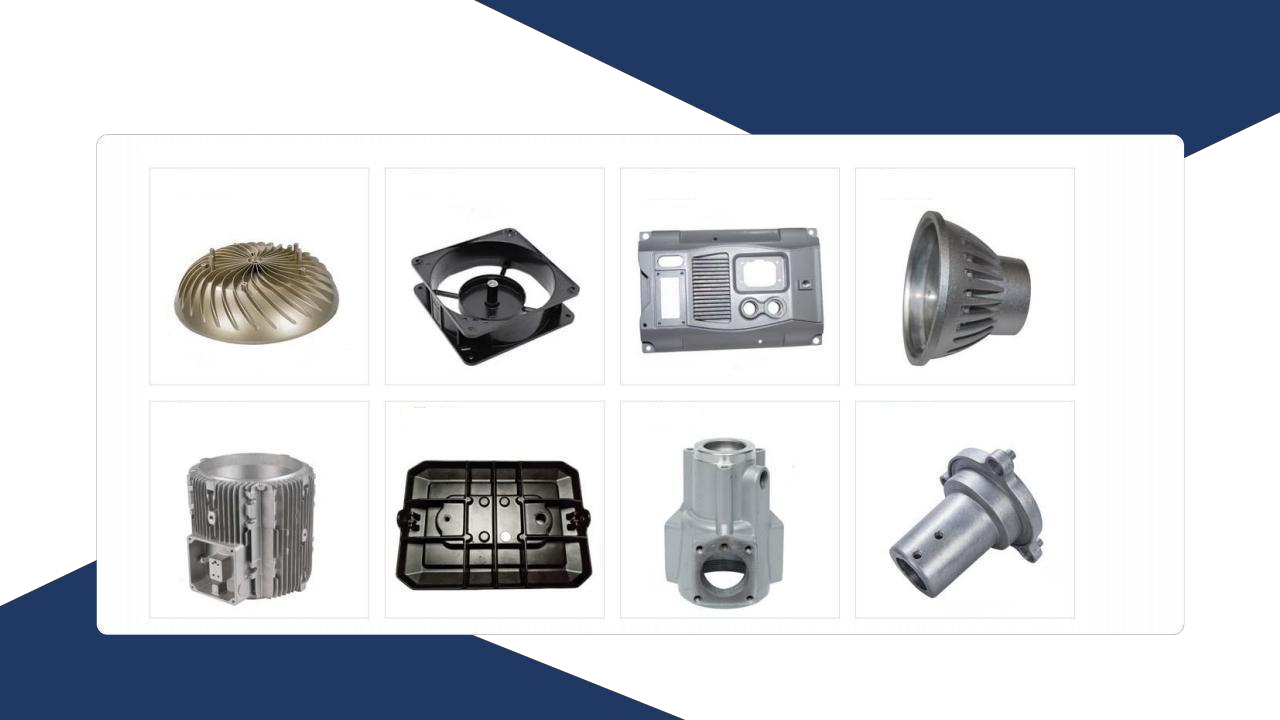
Process ownership is the dividing line between routes: stamping, deep drawing, fabrication, CNC machining and die casting held in one chain allow one tolerance conversation.
Decision Criteria: Five Points That Separate the Routes
1. Process ownership
Establish which operations are performed on the supplier's own equipment and which are outsourced. For a part that passes through forming, machining and surface treatment, each handover is a place where a tolerance can move.
2. Tolerance confirmation
A tolerance should be confirmed against the drawing before production release, by the party that will produce the feature. Where tolerance is left open, ask for it in writing: looser general tolerances and tightly specified functional dimensions carry very different cost and inspection implications.
3. Material selection sign-off
Material grade drives strength, corrosion behaviour and cost. Confirm grade, condition and any heat treatment per part, in writing, before tooling or first article. Where the buyer specifies nothing, the producing party is effectively choosing the material on the buyer's behalf.
4. Certification scope, not certification presence
A certificate is only useful if three things match: the holder's name, the certified scope and the product you are buying. A quality management certificate covering “sales of metal products” is not identical to one covering the manufacturing processes used on your part.
5. Acceptance criteria and inspection method
Acceptance should state which dimensions are measured, with which method, at which stage, and what happens on failure. Inspection practice typically includes incoming inspection, in-process inspection and final inspection, supported by a testing laboratory — and where a buyer requires full inspection against drawing, that requirement should be written into the order rather than assumed.
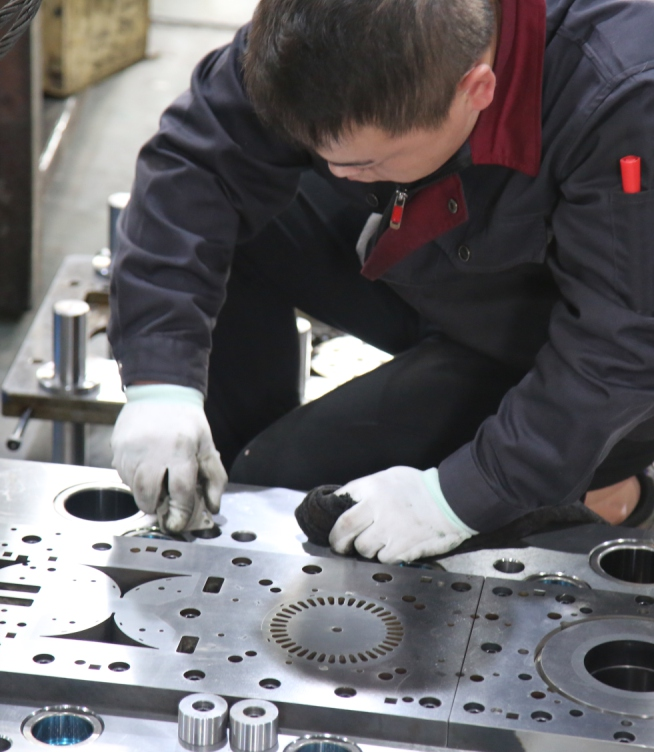
Acceptance criteria convert a drawing into a measurable decision — and only the party holding the measurement can enforce it.
Step-by-Step Breakdown: An Eight-Step Sourcing Evaluation Workflow
- Classify the part by functional risk. Decide whether the part is structural, functional or cosmetic, and whether failure is a rework cost or a safety and warranty issue. High functional risk points toward direct production accountability.
- Build a complete RFQ package. The documented minimum is 2D/3D drawings, required material specifications, surface-treatment requirements, estimated order quantity and application scenario. Complete drawing information is what allows an accurate quotation and technical evaluation.
- Ask the route question in writing. Request a short process map: which operations are in-house, which are subcontracted, and who signs the first article. A vague answer is itself information.
- Fix dimensions and tolerances before quotation comparison. Because specific dimensions and tolerances are confirmed by the customer rather than fixed by the supplier, an RFQ without them invites quotations that are not comparable.
- Sign off material per part. Confirm the alloy family, condition, surface treatment and, where relevant, heat treatment. Record the decision in the purchase order, not in an email thread.
- Verify certification at document level. Request the certificate number, issuer, standard, validity dates and scope, then check that the scope covers your process and product.
- Agree acceptance criteria and the failure path. Define measured characteristics, sampling or full inspection, the inspection stage and the remedy for non-conformance.
- Run the sequence: prototype, tooling, trial batch, series. Confirm which stage the quoted lead time starts from, and re-confirm tolerances after tooling rather than assuming the drawing translated perfectly into the first article.
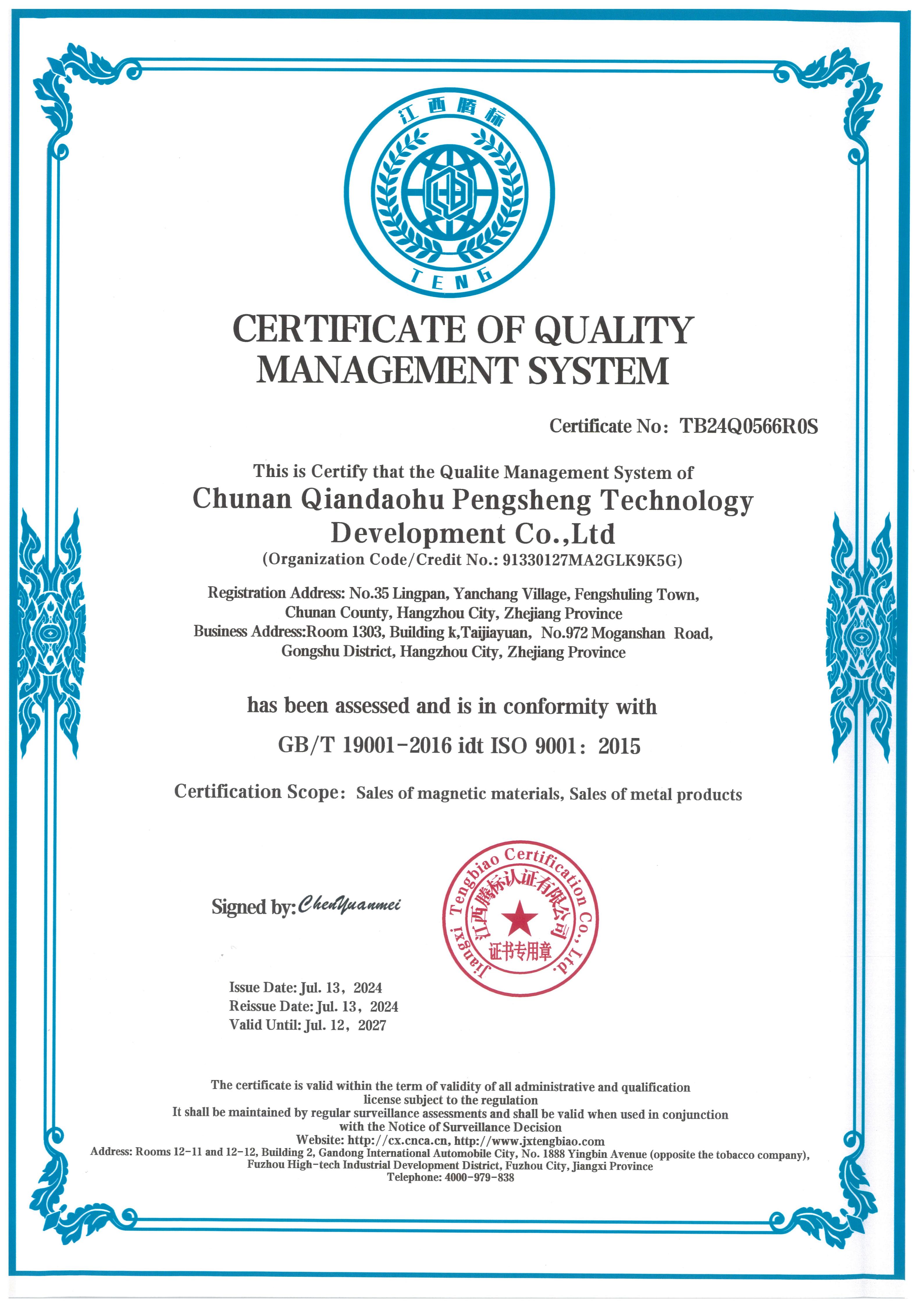
A certificate should be checked for number, issuer, standard, validity and scope — not only for the logo on a website.
Use Cases: Where the Route Decision Changes the Outcome
Automotive components
Automotive parts such as suspension parts, accessory brackets, adjustment rods and tie rods are typically produced from cold-rolled sheet and pickled sheet materials. Here the route decision affects traceability: a material substitution introduced by an intermediary is difficult to detect at goods-in and expensive to correct after assembly.
Industrial motors and drives
Stator cores, rotor cores and shafts sit in the tolerance-critical path of a motor. One documented B2B supply relationship in this segment covers 100,000 units for motor applications over a ten-year duration, with the stated outcomes being improved part precision, stable mass-production delivery, fulfilment of customization, stable operation and quality assurance. Long-duration supply of this kind depends on consistent process ownership rather than on commercial convenience.
Medical devices and instrumentation
Medical shaft and instrument components typically require documented inspection and a clear acceptance conversation. Where a buyer must retain evidence for a technical file, the certificate holder and the process owner should be the same legal entity.
Green energy and wind power
Magnet and magnetic assembly supply for green energy and wind power generation equipment assemblies combines magnetic performance parameters with mechanical tolerance. Documented capability in this area includes magnet grades from N35 to AH52 in the NDFEB family, SMCO5 and SM2CO17 in the SMCO family, and the ability to specify aging, salt spray and irreversible loss test parameters to customer requirements.
Rare-earth metal parts and magnet assemblies
Where a part combines a rare-earth magnet with a machined or stamped housing, splitting the order between a magnet supplier and a metal parts trader creates an interface that nobody owns. A single process chain removes that interface, which is why magnetic assemblies are often sourced alongside the mechanical parts they sit in.
Comparison Table: Trading Intermediary vs Manufacturer
| Decision criterion | Trading intermediary | Manufacturer with in-house processes |
|---|---|---|
| Process ownership | Coordinates stamping, deep drawing, fabrication, CNC machining or die casting across third-party factories; the process chain is assembled per order. | Sheet metal stamping, sheet metal deep drawing, sheet metal fabrication, CNC machining and die casting held within one production chain. |
| Tolerance confirmation | Technical queries are routed to the producing party; response depends on that party's availability. | Dimensions and tolerances are provided or confirmed by the customer and confirmed against the drawing before production release. |
| Material sign-off | Material grade proposed commercially; substitution decisions may involve a third party. | Material selection confirmed per part with the customer: stainless steel, carbon steel, aluminum alloys, copper alloys; die casting commonly aluminum, zinc and magnesium alloys. |
| Acceptance criteria | Criteria agreed commercially and executed elsewhere. | Parameters cover dimensions, tolerances, surface treatments and material selection; incoming, in-process and final inspection supported by a testing laboratory. |
| Certification transparency | Certificate copies may belong to a supplying factory rather than to the seller; scope must be verified separately. | Certificates held in the manufacturer's own name with number, issuer, standard, validity and scope, e.g. ISO 9001 certificate TB24Q0566R0S issued by Jiangxi Tengbiao Certification Co.,Ltd against GB/T 19001-2016 idt ISO 9001:2015, valid 2024-07-13 to 2027-07-12, covering sheet metal stamping, deep drawing, fabrication, CNC machining and die casting products for the global market. |
| Product-level compliance | Depends on documentation supplied by the producing factory. | Product-specific certification can be identified precisely, e.g. ROHS certificate M.2024.206.C97457 issued by UDEM for the EU market, applying to Magnet Model D5*9, valid 2024-03-07 to 2029-06-03. |
| Engineering and tooling path | Tooling sourced externally; drawing changes pass through additional layers. | Supports OEM/ODM customization, prototype development, mold development, small-batch trial production and large-scale production, with customization of dimensions, materials, surface treatments, heat treatments and assembly per drawings or samples. |
| Lead-time visibility | Derived from third-party scheduling; changes are relayed rather than controlled. | Stated custom lead time of 30–45 days, with the production sequence visible from tooling through batch release. |
| After-sales accountability | Claim is relayed to the producing factory for a decision. | Returns or exchanges may be arranged following confirmation by both parties, with a dedicated after-sales function handling the case. |
| Best fit | Mixed catalog baskets, low functional risk, small trial orders, buyers without engineering resource for drawing review. | Custom parts where tolerance, material grade, certification scope or acceptance carries functional or regulatory risk. |
FAQ
How can I verify that a China precision metal mechanical parts manufacturer really holds ISO certification?
Ask for the certificate itself, not the logo. A verifiable ISO 9001 record shows the certificate number, the issuing body, the standard, the validity window and the scope — and the scope is what tells you whether your part type is covered. As a worked example from a manufacturer's own documentation: ISO 9001 certificate TB24Q0566R0S, issued by Jiangxi Tengbiao Certification Co.,Ltd, against the standard GB/T 19001-2016 idt ISO 9001:2015, valid from 2024-07-13 to 2027-07-12, with the scope covering sheet metal stamping, deep drawing, fabrication, CNC machining and die casting products for the global market. Product-level compliance is a separate document: ROHS certificate M.2024.206.C97457, issued by UDEM for the EU market, applies to Magnet Model D5*9 and is valid from 2024-03-07 to 2029-06-03. A trading intermediary may forward certificates that belong to a third-party factory, so always confirm whose name is on the document and whether the scope matches the process, material and market you are buying for.
Can one manufacturer cover stamping, deep drawing, CNC machining and die casting, or do I need several suppliers?
Process breadth is the main structural difference between routes. A manufacturer that owns sheet metal stamping, sheet metal deep drawing, sheet metal fabrication, CNC machining and die casting keeps one process chain, one tolerance chain and one acceptance conversation, which is why these five processes are commonly offered together for custom metal components. Chunan Qiandaohu Pengsheng Technology Development Co., Ltd, a manufacturer established in 2008 in Hangzhou, Zhejiang Province, China, runs these five processes alongside magnets, magnetic assemblies, shafts, stator cores, rotor cores, automotive parts and gauss meters, and offers OEM/ODM customization based on customer drawings. The practical test is not the product list but the answer to “which of these operations do you perform, and which do you subcontract?” If surface treatment or a specialized process is outsourced, ask who signs the first article for that step — the accountability question does not disappear just because the process is common in the industry.
What MOQ and lead time are realistic for custom precision metal mechanical parts?
Two parameters set the commercial frame before price is discussed: minimum order quantity and production lead time. Published figures from one manufacturer illustrate the order of magnitude rather than a universal rule — MOQ 5000 units and a lead time of 30–45 days for custom work, with customization available for dimensions, materials, surface treatments, heat treatments and assembly. Quotation and solution depend on the drawings, materials and order volume provided by the customer, so treat any single figure as a starting point for confirmation rather than as a market benchmark. For budget modelling, separate three cost blocks that behave differently at volume: tooling or mold development, piece price at the agreed tolerance, and inspection effort. Tightening a tolerance or adding full dimensional inspection changes the third block even when the first two appear stable.
What should I send for a sample or quotation?
Send a drawing package, not a description. The documented minimum is 2D/3D drawings, required material specifications, surface-treatment requirements, estimated order quantity and application scenario; complete drawing information is what allows an accurate quotation and technical evaluation. Custom manufacturing can also start from a physical sample where no drawing exists. Before release, two sign-offs matter most: dimensions and tolerances are provided or confirmed by the customer rather than fixed by the supplier, and material selection is confirmed per part — the listed options being stainless steel, carbon steel, aluminum alloys and copper alloys, with die casting commonly using aluminum, zinc and magnesium alloys. Prototype and tooling stages follow the same drawing basis, which is why an incomplete drawing usually produces a wide price range instead of a tight one.
How is lead time handled when a project moves from prototype to series production?
Lead time is a sequence, not a single date: drawing confirmation, tooling or mold development, prototype verification, then batch production. Documented capability states a 30–45 day lead time for custom work, with support for prototype development, mold development, small-batch trial production and large-scale production. Two questions are worth asking before the order is placed — which stage the quoted lead time starts from, and what happens if first-article inspection fails. On quality issues after delivery, one stated position is that returns or exchanges may be arranged following confirmation by both parties. If you are ready to compare a quotation against your drawing, you can request a quotation or download the Pengsheng Technology catalog (PDF) as the starting point for the technical discussion.
Conclusion: Choose the Route That Can Be Held to the Drawing
The trading-versus-manufacturer question resolves into a narrower and more useful question: who can be held accountable for the specific clause in the purchase order? A trading intermediary adds coordination value, and for low-risk, mixed or trial orders that value is real. But when a part carries a tight tolerance, a specified material grade, a certification requirement or a documented acceptance clause, the route that owns the process is the route that can commit to it in writing.
Three checks make the decision concrete. Confirm process ownership in writing, including anything subcontracted. Confirm dimensions, tolerances and material grade per part before tooling. Confirm certification scope at document level, with number, issuer, standard, validity and product coverage. A supplier that answers all three clearly — whether it calls itself a manufacturer or a manufacturer with a trading team — is answering a different kind of question than one that only sends a price.
Next Step: Compare a Quotation Against Your Drawing
Pengsheng Technology manufactures magnets, magnetic assemblies, shafts, stator and rotor cores, stamped, deep-drawn, fabricated, CNC-machined and die-cast parts for automotive, medical, industrial motor, instrumentation and green energy applications, serving markets in Europe and the United States among others.
Send 2D/3D drawings, material specification, surface-treatment requirements and estimated quantity to receive a technical evaluation and quotation. A physical sample can also be used as the starting basis where no drawing exists.
Contact: Vincent Fang · Tel / WhatsApp 0086-18758114568 · Email vincent@hzpsmag.com
Address: No.35 Lingpan, Yanchang Village, Fengshuling Town, Chunan County, Hangzhou City, Zhejiang Province, China
Website: www.hzpsmat.com · Catalog: Download the Pengsheng Technology catalog (PDF)
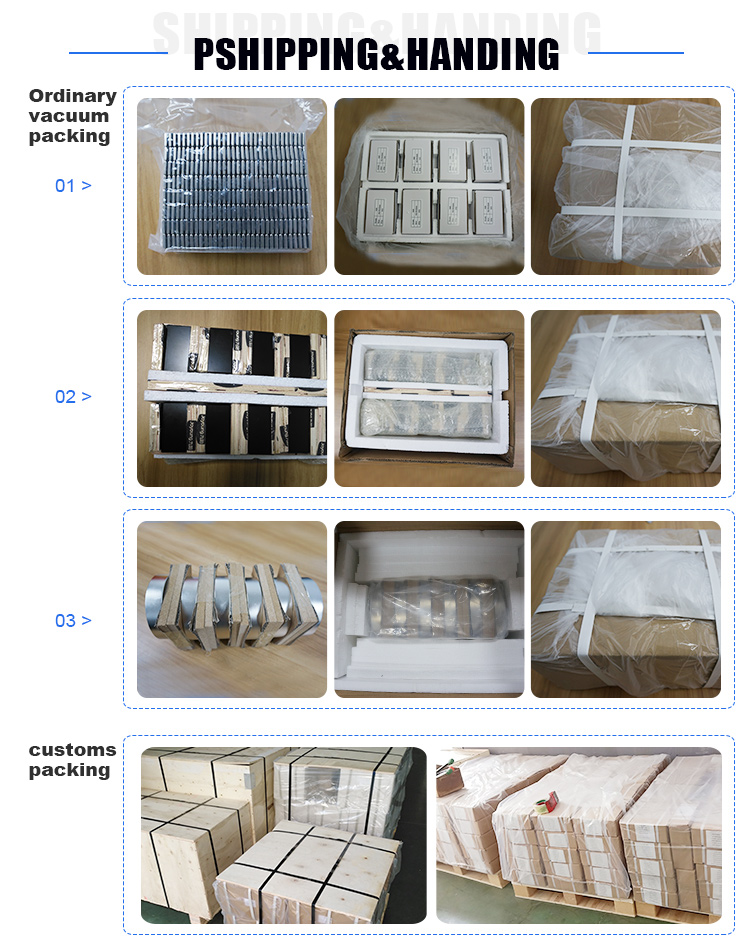
From confirmed drawing to packed delivery: the last step of the sourcing route is the one that proves the first step was chosen correctly.
Have Questions or Need More Details?
Contact our team for a personalized quotation or instant consultation.
Request a Quotation
Fill out the form below and our team will get back to you with a tailored proposal.
WhatsApp Direct Chat
Prefer to chat in real-time? Message us on WhatsApp for instant assistance & quick answers.
- Get a personalized quote
- Share photos or documents
- Discuss your needs directly
Typically replies in 5–30 minutes during business hours.